Insurance for Small Businesses Running a small business is both exciting and challenging. You pour your time, money, and energy into building something of value — whether it’s a retail shop, a service company, a small manufacturing operation, or an online venture. But just as your business can grow, it can also face unexpected setbacks: a fire, a lawsuit, a natural disaster, or even the sudden loss of a key employee.
This is where Insurance for Small Businesses becomes not just an option, but a necessity. The right insurance plan protects your assets, income, and reputation, allowing you to focus on growth instead of worrying about “what ifs.”

Key Takeaways Insurance for Small Businesses
- Comprehensive Insurance for Small Businesses coverage is crucial for small businesses to protect against various risks.
- Proper documentation and reporting are essential when filing a small business Insurance for Small Businesses claim.
- Collecting evidence, reporting incidents to authorities, and communicating with your Insurance for Small Businesses provider are key steps.
- Seeking professional assistance, such as an Insurance for Small Businesses lawyer or forensic accountant, can help navigate complex claims.
- Understanding the impact of claims on Insurance for Small Businesses premiums can help make informed decisions.
Why Insurance for Small Businesses
Many small business owners underestimate their vulnerability. Even a single unexpected event can cause devastating losses. Without insurance, a lawsuit or property damage could force you to close your doors permanently.
Insurance provides:
Peace of mind, knowing you’re prepared for the unexpected.
Financial protection from lawsuits, property loss, or operational interruptions.
Credibility — some clients or partners require proof of insurance before working with you.
Compliance with legal or contractual requirements.
Common Risks Insurance for Small Businesses Face
- Property damage from fire, theft, or weather events.
- Liability claims if someone is injured on your premises or by your product.
- Cybersecurity breaches exposing sensitive customer data.
- Employee injuries on the job.
- Business interruption due to disasters or supply chain breakdowns.
Without adequate coverage, these risks can lead to costly repairs, legal fees, and lost income.
Importance of Filing Claims Properly
It’s important that small business owners know how to properly file an insurance claim, as 40 percent of small businesses end up filing claims against their insurance for small businesses policies. Ensuring you follow the right procedures can help you recoup your losses and get your business operations back on track more quickly.
By understanding the claims process, you can navigate it efficiently and maximize your chances of getting the small business insurance coverage you’re entitled to under your policy. This can be especially critical for claims related to commercial liability insurance, workers’ compensation insurance, professional liability insurance, property insurance for small businesses, and other key coverage areas.
Essential Types of Insurance for Small Businesses
1. General Liability Insurance
Protects against claims of bodily injury, property damage, and advertising injury.
- Example: A customer slips on your shop floor and sues for medical costs.
2. Property Insurance
Covers your building, equipment, inventory, and furniture against damage or loss.
- Example: A fire damages your office and computers.
3. Business Owner’s Policy (BOP)
Bundles general liability and property insurance into one package, often at a reduced cost.
4. Workers’ Compensation Insurance
Required in most states; covers medical expenses and lost wages if employees are injured.
5. Professional Liability (Errors & Omissions)
Covers mistakes or negligence in your services that cause client losses.
- Example: A consultant gives incorrect advice that leads to client financial harm.
6. Cyber Liability Insurance
Protects against data breaches, hacking, and cybercrime.
- Example: Your e-commerce site is hacked, exposing customer credit card details.
7. Commercial Auto Insurance
Covers company-owned vehicles and drivers.
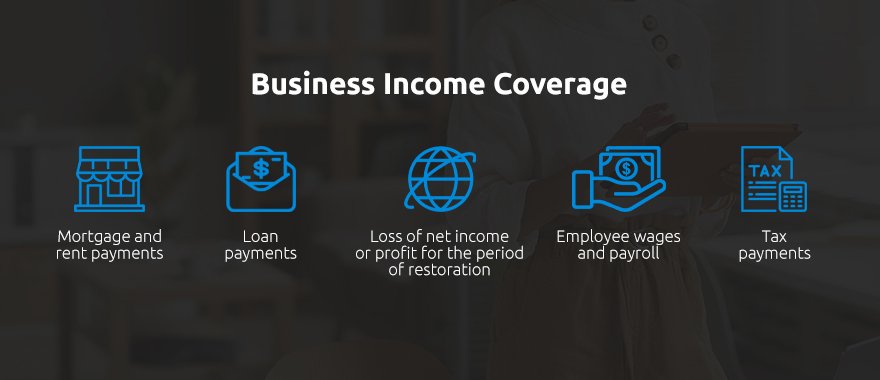
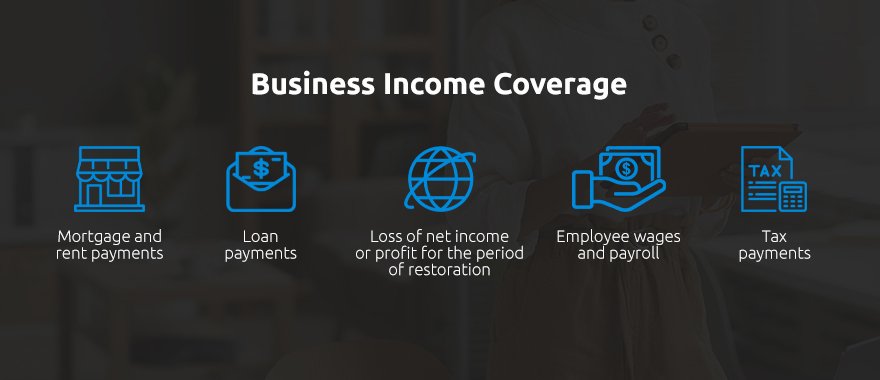
8. Business Interruption Insurance
Helps cover lost income and expenses if your business is forced to close temporarily.
Gather Essential Documents and Forms
Start by obtaining the standard reporting forms from your Insurance for Small Businesses provider. Keep these on hand so you have them ready to fill out if an incident occurs that requires a claim. Familiarize yourself with the information they’ll need, such as details about the affected property, inventory of damaged items, and copies of relevant receipts or invoices.
Additionally, consider installing security cameras or other surveillance equipment at your business premises. Having video evidence can be invaluable if you need to file a claim for theft, vandalism, or property damage.
Train Employees on Claim Procedures
Make sure your employees know the proper procedures to follow in the event of an incident that may require an Insurance for Small Businesses claim. Train them on how to properly document the situation, who to contact within the company, and what information they’ll need to provide to the insurance adjuster. This will ensure a streamlined and consistent response, regardless of which employees are on duty when a crisis occurs.
By taking the time to prepare for potential claims, you’ll be in a much better position to protect your small business insurance coverage, mitigate financial losses, and get your operations back on track as quickly as possible.
Choosing the Right Coverage
Not every small business needs every type of insurance. The right coverage depends on:
- Industry and business activities (e.g., a restaurant has different risks than a web design firm).
- Number of employees.
- Physical location and property value.
- Client and contractual requirements.
A good approach is to work with a licensed insurance broker who understands your industry and can tailor a plan to your risks and budget.
Cost of Insurance for Small Businesses
Premiums vary based on:
- Size of your business.
- Location and risk exposure.
- Coverage limits and deductibles.
- Claims history.
On average, small businesses might pay:
- General liability: $400–$1,000/year.
- BOP package: $600–$2,500/year.
- Professional liability: $500–$3,000/year.
While these costs may seem high, they’re far less than the potential losses from an uninsured disaster.
Real-World Example – Insurance in Action
A small bakery in Texas experienced a fire caused by faulty wiring, destroying their ovens, inventory, and part of the building. Because they had a BOP policy with business interruption coverage, insurance paid for:
- Rebuilding costs.
- Replacement ovens and inventory.
- Lost income during the 3-month closure.
Without insurance, the owners estimated they would have lost over $200,000 and closed permanently.
The Future of Insurance for Small Businesses
The insurance industry is evolving to meet new challenges:
AI-powered risk assessment to provide more accurate and affordable premiums.
On-demand insurance for freelancers and gig workers.
Cybersecurity-focused coverage as online threats grow.
Climate risk policies for businesses in disaster-prone areas.
Reporting the Incident to Authorities
Running a small business is one of the most rewarding journeys an entrepreneur can take — but it’s also one of the riskiest. Every day, owners face a mix of opportunities and challenges: serving customers, managing cash flow, competing in the market, and adapting to economic shifts. Yet, beyond the daily grind, there are risks you can’t see coming: a lawsuit, a flood, a data breach, or an unexpected accident.
These events can arrive suddenly, disrupt operations, and threaten everything you’ve worked to build. Without proper insurance, a single incident could be financially devastating. With the right coverage, however, you can protect your assets, your employees, and your reputation — giving your business the stability it needs to thrive in the long term.
File Police Reports for Crimes or Accidents
Why Small Businesses Need Insurance
Many small business owners mistakenly think, “I’m too small to be a target” or “That will never happen to me.” Unfortunately, disasters don’t discriminate.
Here’s why coverage is critical:
Employees depend on you — If you have staff, you have a legal and moral responsibility to keep them safe and financially protected.
Lawsuits happen more often than you think — Even if you win in court, legal defense costs can be crippling.
Natural disasters are on the rise — Hurricanes, floods, and wildfires have become more frequent, hitting businesses that never considered themselves at risk.
Customers expect professionalism — Many contracts and partnerships require proof of insurance before doing business with you.
Notifying Your Insurance Provider
When your small business experiences a loss or damage, the next critical step is to notify your Insurance for Small Businesses provider. Reaching out to your
Insurance for Small Businesses agent or broker
is the best way to initiate the claims process and ensure you receive the coverage you’re entitled to.
Contact Your Insurance Agent or Broker
Your insurance agent or broker is your primary point of contact when filing a business Insurance for Small Businesses claim. They’ll be able to guide you through the necessary steps, explain the claims process, and help you complete the required paperwork. Don’t hesitate to reach out to them as soon as possible after an incident occurs that may require a claim.
Provide Details of the Incident
Be prepared to provide your agent or broker with detailed information about the incident that led to your claim. This may include the date, time, and location of the event, a description of the damages or losses, and any actions you’ve already taken, such as filing a police report. The more information you can provide upfront, the smoother the claims process will be.
By working closely with your Insurance for Small Businesses representative, you can ensure your small business insurance claim is filed correctly and efficiently, maximizing your chances of a timely and favorable resolution.

Working with the Insurance Adjuster
Once you file your Insurance for Small Businesses claim, you should be assigned an insurance adjuster within a few days. The adjuster will thoroughly investigate your claim and determine the extent of liability your insurance provider has in your case. This is a crucial step in the claims process, as the adjuster will evaluate the evidence you provide to support your claim and make a recommendation to the insurance company on the appropriate settlement amount.
Cooperate During the Investigation
It’s important that you cooperate fully with the insurance adjuster throughout their investigation. Provide them with unfettered access to any documentation, photos, videos, or other evidence related to the incident that led to your insurance claim. Answer any questions they have honestly and promptly. The more transparent and cooperative you are, the smoother the claims process will be.
Submit Proof of Loss Form
One of the key items the adjuster will require from you is a completed proof of loss form. This form documents the details of your Insurance for Small Businesses claim, including the date and nature of the incident, the estimated value of your losses, and a breakdown of the damages or expenses you are seeking to recoup. Be sure to fill out this form accurately and provide any supporting documentation the adjuster requests to validate your claim.
| Common Small Business Insurance Claims | Coverage Types | Key Documentation |
|---|---|---|
| Property Damage (fire, storm, theft) | Commercial Property Insurance | Photos, repair estimates, inventory of damaged items |
| Liability Claims (customer injuries, product defects) | Commercial Liability Insurance | Witness statements, accident reports, medical bills |
| Vehicle Accidents | Commercial Auto Insurance | Police report, mechanic estimates, photos of damage |
| Workers’ Compensation Claims | Workers’ Compensation Insurance | Incident reports, medical records, lost wage documentation |
By understanding your responsibilities in working with the insurance adjuster and providing the necessary documentation, you can help streamline the claims investigation and increase your chances of receiving a fair settlement from your small business insurance provider.
Obtaining Repair Estimates
After your small business has experienced a catastrophic event that requires filing an Insurance for Small Businesses claim, the next crucial step is to obtain professional repair estimates. Whether your commercial property has sustained damage from a storm, fire, or other incident, or if one of your company vehicles has been involved in an accident, it’s essential to get detailed assessments and cost projections from qualified experts.
Hire Professionals for Damage Assessment
If your business’s building has suffered damage, call in a reputable contractor to thoroughly inspect the property and provide a comprehensive estimate for the necessary repairs. These professionals can accurately evaluate the extent of the damage and give you a clear understanding of the costs involved in restoring your property insurance for small businesses. Similarly, if a work vehicle has been in an accident, take it to a trusted mechanic who can assess the damage and give you a repair estimate to submit as part of your commercial auto insurance claim.
Get Multiple Quotes for Repairs
To ensure you’re getting the most accurate and competitive pricing, it’s best to obtain at least two repair estimates from different providers. This will not only help you determine the true cost of the necessary work, but it can also strengthen your commercial liability insurance claim by demonstrating that you’ve taken the appropriate steps to mitigate the financial impact on your business. Obtaining multiple quotes also shows your insurance provider that you’re being diligent and proactive in your small business insurance coverage.
Seeking Legal and Professional Assistance
When navigating the complexities of a business insurance claim, it can be beneficial to seek legal and professional advice. Depending on the size and complexity of your claim, you may want to consider consulting an Insurance for Small Businesses lawyer or hiring a forensic accountant to assist with the process.
Consult an Insurance for Small Businesses
An insurance lawyer can provide valuable guidance and support throughout the claims process. They can help you understand your policy coverage, ensure you are properly documenting the incident, and navigate any disputes that may arise with your insurance provider. An insurance lawyer can also advocate on your behalf and help you obtain the maximum compensation you are entitled to under your small business insurance policies.
Hire a Forensic Accountant for Complex Claims
For more complex commercial liability insurance or business interruption Insurance for Small Businesses claims, consider hiring a forensic accountant. These financial experts can help you accurately evaluate and document the full extent of your business losses. They can also assist in preparing the necessary financial documentation to substantiate your property insurance for small businesses or workers’ compensation insurance claim. With their specialized expertise, a forensic accountant can ensure your claim is properly filed and supported, increasing the likelihood of a favorable outcome.
Insurance for Small Businesses
As a small business owner, having comprehensive insurance coverage is crucial to protecting your investments and ensuring your company’s long-term success. Small businesses need insurance policies that safeguard against liabilities, property damage, and business interruptions. From commercial liability insurance to workers’ compensation insurance, there are multiple policies you may need to file a claim against.
Types of Insurance for Small Businesses
Some of the key Insurance for Small Businesses policies small businesses should consider include:
- General liability insurance to cover claims of bodily injury or property damage caused by your business operations.
- Commercial property insurance to protect your physical business assets, such as your building, equipment, and inventory, in the event of damage or theft.
- Workers’ compensation insurance to provide coverage for medical expenses and lost wages if an employee is injured on the job.
- Commercial auto insurance to insure any vehicles used for your business, including coverage for accidents and damage.
- Professional liability insurance (also known as errors and omissions insurance) to protect your business from claims of negligence or mistakes in providing your professional services.
Importance of Adequate Coverage
When it comes to Insurance for Small Businesses for small businesses, having the right amount of coverage is crucial. Without proper small business insurance coverage, your company could be left vulnerable to significant financial losses in the event of an unexpected incident or disaster. Adequate insurance protects your small business investments and ensures your operations can continue even after a claim-worthy event.
Regardless of the size or nature of your small business, it’s important to work with an experienced insurance agent or broker to evaluate your specific risks and ensure you have the necessary small business insurance policies in place. With the right coverage, you can focus on growing your business, confident that you’re prepared for any potential challenges that may arise.
Timelines for Claim Processing
The amount of time it takes an insurer to pay an insurance claim depends on the complexity of the case, whether there are any disputes over the claim, and what state your small business is located in. Most states set timelines mandated by law outlining how long an Insurance for Small Businesses company has to pay out a claim.
State Regulations on Claim Payouts
For example, in California, insurers must acknowledge a claim within 15 days of it being filed. They then have 40 days to accept or deny the claim. If the claim is accepted, the insurer must pay out the claim within 30 days of the settlement date. Other states may have different regulations, so it’s important to understand the specific requirements in your area when filing small business insurance claims.
Impact on Insurance for Small Businesses Premiums
Filing an insurance claim can impact your future Insurance for Small Businesses premiums. Insurers may raise your rates if you file multiple claims, especially for the same type of incident. However, it’s important to still file a claim when necessary to recoup your losses. Carefully consider the potential impact on your premiums before deciding not to file a commercial liability insurance, workers’ compensation insurance, or property insurance for small businesses claim.
Maintaining a clean claims history is crucial for keeping your small business insurance coverage affordable. While filing a claim may be necessary to recover from unexpected events, it’s wise to weigh the potential long-term consequences on your small business insurance policies and liability coverage for small companies. By understanding how business interruption insurance, cyber liability insurance, and commercial vehicle insurance claims can affect your rates, you can make informed decisions that protect your bottom line.
Ultimately, the impact of a product liability insurance or commercial auto insurance claim on your premiums will depend on the specifics of your policy and your insurer’s underwriting practices. Stay vigilant in monitoring your coverage and be prepared to advocate for fair rates if your claims history is used against you unfairly. With the right approach, you can navigate the claims process while minimizing the long-term financial burden on your small business.
Conclusion Insurance for Small Businesses
In conclusion, understanding the best practices for documenting and reporting small business insurance claims is crucial for protecting your investments and ensuring your business can recover quickly from unexpected incidents or disasters. By following the steps outlined in this article, you can navigate the claims process efficiently and maximize your chances of getting the compensation you’re entitled to under your insurance policy.
Whether you’re filing a claim for commercial liability insurance, workers’ compensation insurance, professional liability insurance, property insurance for small businesses, or any other type of small business insurance coverage, these proven strategies will help you overcome the challenges and get your company back on track. Remember, proper documentation and timely reporting are the keys to a successful insurance claim for your small business.
With the right approach, you can minimize the impact of unexpected losses and ensure your small business is protected against a wide range of risks, from business interruption insurance to cyber liability insurance and commercial vehicle insurance. By maintaining adequate small business insurance policies and knowing how to file claims effectively, you can maintain the liability coverage and property insurance your company needs to thrive, even in the face of unforeseen challenges.
Table of Contents
FAQ
What is a business insurance claim?
A business insurance claim is a formal notification sent to your insurance company to alert them to loss or damage you’ve suffered and request compensation for the loss, if it’s covered by your insurance policy.
Why is it important to file claims properly?
It’s important that small business owners know how to properly file an insurance claim, since 40 percent of small businesses end up filing claims against their insurance policies. Filing claims properly can help you recoup your money quicker so you can get your business operations back to normal as soon as possible.
How should I prepare for potential insurance claims?
It’s best to plan ahead in case you ever have to file an insurance claim. Know what you’ll need to do in the case of an accident or disaster, like taking photos to record damage. Consider installing surveillance equipment to have video evidence in the case of theft or vandalism. Get standard reporting forms from your insurer so you have them on hand.
What evidence should I collect after an incident?
After your business experiences a catastrophe that requires an insurance claim, be sure to collect evidence to pass on to the insurance company. Take photos following accidents or disasters to record the damage. Make note of people who were present to witness the event so they can be called to give testimony. Take an inventory of everything damaged, ruined or missing.
When should I report an incident to the authorities?
If you’re filing a claim related to a car accident or theft, or a crime that occurred on your business’s property, call the local police to file a police report. Many insurance companies require a police report in the case of a crime or multi-vehicle accident.
How do I notify my insurance provider?
Reach out to your insurance agent or broker to inform them of the situation. They’ll be able to explain the claim process to you and will ask questions about the incident you’re reporting. They’ll help you fill out the claim form and submit it to the insurance company.
What should I expect when working with the insurance adjuster?
Once you file your insurance claim, you should be assigned an adjuster within a few days. The adjuster will investigate your claim and determine how much liability rests with the insurer in your case. The adjuster will require a proof of loss form from you as well as access to any supporting evidence, such as photos or videos.
How do I obtain repair estimates?
Get quotes and estimates from professionals for repairs. If a building owned by your company has been damaged, call a contractor to come and assess the damage and estimate the repair costs. Try to get at least two estimates. If a work vehicle has been damaged in an accident, have it looked at by a reputable mechanic for an estimate.
When should I seek legal or professional assistance?
Depending on the size of the claim, you may wish to consult an insurance lawyer for legal advice. An insurance lawyer can help you put together claims documentation and guide you through the claims process. You may also want to hire a forensic accountant to help you properly file the documentation for your business insurance claim, especially in complex cases.
What types of insurance do small businesses need?
Small businesses need comprehensive insurance coverage to protect against liabilities, property damage, and business interruptions. This can include general liability, commercial property, workers compensation and commercial auto insurance, among other policies.
How long does it take for an insurance claim to be processed?
The amount of time it takes an insurer to pay an insurance claim depends on the complexity of the case, whether there are any disputes over the claim and what state your business is located in. Most states set timelines mandated by law outlining how long an insurance company has to pay out a claim.
How does filing a claim impact my insurance premiums?
Filing an insurance claim can impact your future insurance premiums. Insurers may raise your rates if you file multiple claims, especially for the same type of incident. However, it’s important to still file a claim when necessary to recoup your losses.