
Biotechnology Genetic Engineering is one of the most transformative scientific fields of our time. It combines biology, chemistry, engineering, and information technology to develop tools and processes that improve health, agriculture, industry, and the environment. Within Biotechnology Genetic Engineering stands as one of the most revolutionary innovations — the ability to directly alter the DNA of living organisms to achieve desired traits.
From life-saving medicines to climate-resilient crops, biotechnology genetic engineering are reshaping industries and redefining what’s possible for humanity. But along with immense potential comes profound ethical questions, making it one of the most exciting yet debated areas in modern science.
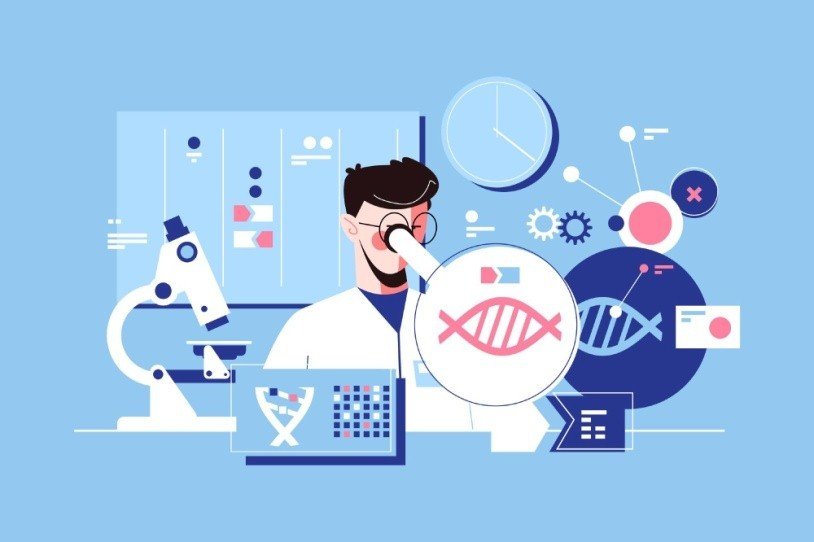
From the revolutionary CRISPR technology to the development of genetically modified organisms (GMOs) and transgenic plants, we are witnessing a transformative era in biopharmaceuticals and gene therapy. These advancements have the potential to revolutionize the treatment of previously incurable diseases, but they also bring with them a myriad of economic, environmental, and ethical concerns that our society is still grappling with.
Key Takeaways Biotechnology Genetic Engineering
- Biotechnology Genetic Engineering have advanced rapidly, leading to new possibilities in healthcare.
- The cost of genome sequencing has dramatically declined, making it more accessible.
- CRISPR and other gene editing tools have opened up new frontiers in disease treatment.
- Genetic technologies raise economic, environmental, and ethical concerns that require careful consideration.
- The future of healthcare is closely tied to the continued development and responsible application of these genetic technologies.
A Brief History of Biotechnology Genetic Engineering
Biotechnology is not a modern invention. Humans have been using biological processes for thousands of years:
- Ancient fermentation for bread, beer, and wine.
- Selective breeding of plants and animals for better yields or traits.
- Traditional medicine using natural compounds from plants and fungi.
However, modern Biotechnology Genetic Engineering truly began in the 1970s with the development of recombinant DNA technology — the ability to cut and join DNA from different sources. This breakthrough laid the foundation for today’s genetic engineering and synthetic biology.
What is Genetic Engineering?
Genetic engineering is the deliberate modification of an organism’s genetic material to achieve desired characteristics. It typically involves:
- Identifying a useful gene in one organism.
- Isolating and copying that gene.
- Inserting it into the DNA of another organism.
This can be done using techniques like:
Synthetic biology for creating entirely new genetic sequences
Recombinant DNA technology
CRISPR-Cas9 gene editing
Gene silencing (RNA interference)
Key Applications in Modern Biotechnology Genetic Engineering
1. Medicine and Healthcare
Biotechnology Genetic Engineering has revolutionized how we prevent, diagnose, and treat diseases:
Biopharmaceuticals — insulin, monoclonal antibodies, clotting factors produced using engineered cells.
Gene therapy to correct faulty genes causing genetic disorders.
mRNA vaccines (such as COVID-19 vaccines) enabling rapid response to pandemics.
Personalized medicine tailoring treatments based on a person’s genetic profile.
2. Agriculture and Food Production
Feeding a growing global population requires innovation:
Microbial fermentation to produce dairy proteins without animals.
Genetically modified (GM) crops resistant to pests, diseases, and drought.
Biofortification to increase nutritional value (e.g., Golden Rice rich in vitamin A).
Lab-grown meat and plant-based proteins to reduce environmental impact.
3. Industrial Biotechnology Genetic Engineering
Replacing fossil fuel–based processes with greener alternatives:
Enzymes in detergents, paper production, and textile processing.
Biofuels from algae, corn, or waste biomass.
Biodegradable plastics made from plant-based materials.
4. Environmental Biotechnology Genetic Engineering
Using living systems to protect and restore ecosystems:
- Bioremediation — engineered microbes breaking down oil spills and toxic waste.
- Carbon capture using genetically modified algae.
- Pollution monitoring with biosensors.
CRISPR – The Gene Editing Revolution
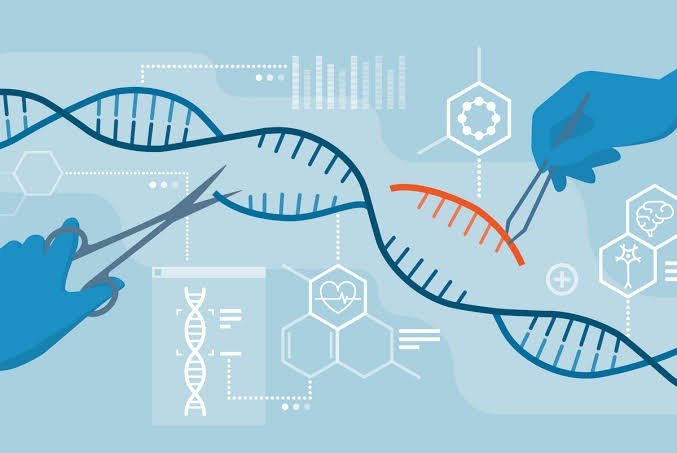
Discovered in the early 2010s, CRISPR-Cas9 has become the most powerful gene editing tool ever developed. It acts like molecular scissors, allowing scientists to cut DNA at precise locations and modify it with unmatched speed and accuracy.
Applications include:
Potentially eradicating vector-borne diseases by altering mosquito populations.
Correcting genetic disorders like sickle cell anemia.
Engineering crops that resist disease.
Developing disease-resistant livestock.
Ethical, Legal, and Social Implications
While Biotechnology Genetic Engineering offers immense promise, it raises serious questions:
- Safety: Could genetically modified organisms have unintended consequences?
- Equity: Will biotech benefits be shared globally, or widen inequality?
- Bioethics: Where should we draw the line with human genetic modification?
- Environmental impact: What happens if engineered genes spread uncontrollably in nature?
The 2018 case of genetically edited babies in China sparked global debate, leading to renewed calls for international regulations.

The Future of Biotechnology Genetic Engineering
The next decades could bring breakthroughs once confined to science fiction:
- Cures for currently untreatable genetic diseases through precise DNA correction.
- Synthetic life forms designed for medicine, environmental cleanup, and manufacturing.
- Gene drives to eliminate invasive species or disease carriers.
- Fully personalized nutrition and medicine based on DNA and microbiome data.
- Biocomputers using DNA molecules for ultra-efficient data storage.
The pace of progress suggests that Biotechnology Genetic Engineering will become as foundational to human society as computing and the internet.
Advancements in Gene Editing and Synthetic Biology
Biotechnology Genetic Engineering is often called the “science of the future” — but it’s already here, influencing our daily lives in ways many people don’t realize. It merges biology, chemistry, engineering, and digital technology to develop solutions that improve human health, increase agricultural productivity, create sustainable industries, and protect the environment.
Within this field, genetic engineering has emerged as a transformative force. It gives us the ability to directly rewrite the code of life — DNA — in plants, animals, and humans. What was once a plot in science fiction novels is now a reality in laboratories worldwide.
From cancer therapies to drought-resistant crops, biotechnology genetic engineering are redefining the boundaries of science. But they also pose critical questions about safety, ethics, and equality that society must navigate carefully.
From Fermentation to DNA Editing – A Brief Timeline of Biotechnology Genetic Engineering
Biotechnology is not entirely new — humans have been using biological processes for thousands of years:
- 7000 BCE – Ancient Mesopotamians use fermentation to make beer and bread.
- 6000 BCE – Cheese and yogurt production begins through microbial action.
- 1800s – Louis Pasteur pioneers microbiology and vaccines.
- 1953 – Watson and Crick describe the double-helix structure of DNA.
- 1973 – First recombinant DNA molecule created by Cohen and Boyer.
- 1996 – Dolly the sheep becomes the first cloned mammal.
- 2012 – CRISPR-Cas9 gene-editing technology revolutionizes biology.
Each breakthrough has expanded our ability to understand, manipulate, and apply life’s fundamental processes.
Navigating the regulatory landscape is another key challenge. Policymakers and healthcare organizations must work collaboratively to establish robust frameworks that balance innovation with appropriate safeguards, protecting the public’s interests while fostering continued progress in biotechnology genetic engineering.
By carefully addressing these ethical and regulatory considerations, we can unlock the transformative potential of biotechnology genetic engineering, ushering in a new era of personalized, targeted healthcare that promises to enhance the well-being of individuals and communities worldwide.
Key Fields of Modern Biotechnology Genetic Engineering
1. Medical Biotechnology
Medicine is one of the most visible beneficiaries of biotechnology:
- Biopharmaceuticals – Insulin, human growth hormone, and monoclonal antibodies are now made in genetically engineered cells.
- Gene Therapy – Directly repairing or replacing faulty genes to treat inherited disorders.
- Regenerative Medicine – Growing tissues and organs using stem cells.
- mRNA Vaccines – The rapid creation of COVID-19 vaccines showed the speed and flexibility of modern biotech.
Case Study: The drug Spinraza, developed for spinal muscular atrophy, was one of the first gene-targeting treatments to significantly improve patient outcomes.
2. Agricultural Biotechnology Genetic Engineering
Feeding 10 billion people by 2050 requires smarter farming:
- Genetically Modified (GM) Crops – BT cotton resists insect pests, reducing pesticide use.
- Biofortification – Crops enriched with vitamins and minerals to fight malnutrition.
- CRISPR-edited plants – Wheat resistant to fungal rust disease.
- Microbial Fertilizers – Engineered microbes that fix nitrogen naturally, reducing the need for chemical fertilizers.
Case Study: Golden Rice, enriched with beta-carotene, aims to combat vitamin A deficiency in developing nations.
3. Industrial Biotechnology Genetic Engineering
Biotech is helping replace petroleum-based manufacturing with bio-based alternatives:
Green Enzymes – Used in detergents, food processing, and textiles to reduce chemical waste.
Biofuels – Ethanol from sugarcane, biodiesel from algae.
Bioplastics – PLA plastics made from corn starch.
4. Environmental Biotechnology Genetic Engineering
Biotech solutions also address environmental challenges:
- Bioremediation – Engineered bacteria that break down oil spills.
- Plastic-eating enzymes – Microbes that degrade PET plastics into reusable raw materials.
- Carbon Capture – Genetically modified algae that absorb and store CO₂ efficiently.
Government Funding for Genomic Healthcare Innovation
The UK government has demonstrated a strong commitment to advancing biotechnology genetic engineering within the healthcare sector. Recently, the government announced a £175 million funding package to support the development of a world-class genomic healthcare system in the country.
This substantial investment includes £105 million to kickstart a pioneering research study on using whole genome sequencing to diagnose and treat rare genetic diseases in newborns. Additionally, £26 million has been allocated to an innovative cancer program that aims to enhance disease diagnosis and treatment through the integration of advanced genomic technologies.
Recognizing the need to address health inequalities, the government has committed £22 million to sequence the genomes of underrepresented populations. This initiative will help ensure that the benefits of genomic advancements are accessible to all communities, reducing disparities in healthcare outcomes.
Furthermore, the government has pledged up to £25 million to a new functional genomics initiative. This program will leverage cutting-edge gene editing tools to deepen our understanding of genetic variation and its impact on health, paving the way for the development of smarter diagnostics and more effective treatments, Biotechnology Genetic Engineering.
These substantial investments in biotechnology genetic engineering demonstrate the UK government’s vision to establish the country as a global leader in genomic healthcare innovation. By funding groundbreaking research, promoting equitable access, and fostering advancements in functional genomics, the government is positioning the UK to harness the transformative potential of these technologies for the benefit of individuals and communities across the nation.
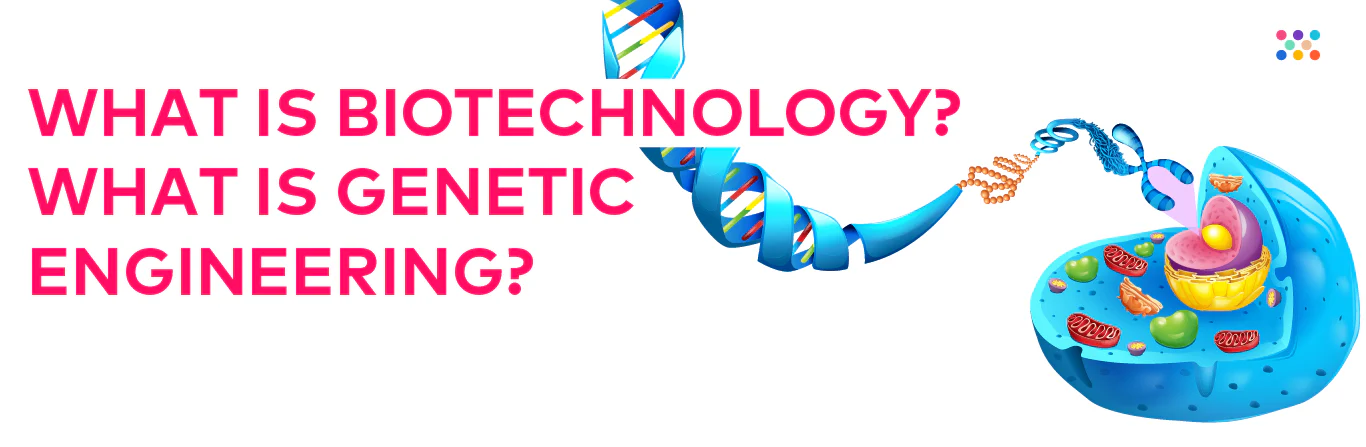
CRISPR – The Game Changer
The development of CRISPR-Cas9 in 2012 transformed genetic engineering. It is faster, cheaper, and more precise than earlier methods, allowing scientists to:
- Correct defective genes in humans.
- Improve crop resilience to climate change.
- Potentially eradicate malaria by modifying mosquito DNA.
However, CRISPR has also sparked ethical debates, especially after the controversial birth of the first CRISPR-edited babies in 2018.
Ethical, Legal, and Social Challenges
With the power to rewrite life, biotechnology demands careful oversight:
- Bioethics – Should we allow “designer babies” with enhanced traits?
- Safety – Could genetically modified organisms disrupt ecosystems?
- Equity – Will wealthy nations dominate access to life-saving biotech?
- Dual-Use Risks – Could biotech be misused for harmful purposes, such as biological weapons?
Many scientists advocate for international governance frameworks to prevent misuse and ensure equitable access.
The Next Frontier in Biotechnology
The coming decades could bring astonishing breakthroughs:
- Synthetic Life – Entirely artificial genomes designed for specific functions.
- Precision Medicine – Treatments customized for each person’s unique DNA.
- Gene Drives – Spreading beneficial genes through wild populations to stop diseases.
- Bio-Integrated Electronics – Merging living cells with electronic circuits for medical diagnostics.
- DNA Data Storage – Using genetic code to store vast amounts of digital information.
Imagine a world where cancer is curable, crops grow in deserts without water, and plastics vanish in weeks instead of centuries — biotechnology is making these visions possible.
Innovative Cancer Programme: Enhancing Diagnosis and Treatment
As part of the government’s investment in biotechnology genetic engineering, Genomics England is partnering with NHS England to test new genomic sequencing technologies for faster and more accurate cancer diagnosis. The program will also integrate imaging data, clinical data, and genomic information using artificial intelligence to improve the diagnosis and prediction of cancer progression.
Cutting-Edge Genomic Sequencing Technology
By leveraging the power of cutting-edge technologies, this innovative cancer program aims to transform the way cancer diagnosis and treatment are approached. The program’s focus on integrating the latest advancements in genomic sequencing will enable more precise and personalized cancer management, leading to enhanced patient outcomes.
Integrating Imaging, Genomic, and Clinical Data
Biotechnology Genetic Engineering – The integration of imaging data, genomic data, and clinical data using artificial intelligence will provide a comprehensive understanding of each patient’s cancer, allowing for more accurate diagnosis, prognosis, and tailored treatment strategies. This data-driven approach will revolutionize the way healthcare professionals detect and manage cancer, ultimately improving patient care and outcomes.
Addressing Health Inequalities through Genomic Research
At Genomics England, we recognize the pressing need to address the lack of diversity in genomic data and research. To tackle this challenge, we are committed to expanding our programs and building stronger relationships with traditionally underrepresented communities, such as patients with sickle cell disease.
Improving Representation in Genomic Data
Genomic research has historically suffered from a lack of diversity, with data primarily representing individuals of European descent. This imbalance can lead to biased findings and limit the applicability of genomic advancements to diverse populations. We are actively working to enhance the representation of underrepresented groups in our genomic datasets, ensuring that the benefits of these technologies are accessible to all communities, Biotechnology Genetic Engineering.
Reducing Health Disparities and Leveling Patient Outcomes
By improving the diversity and inclusivity of our genomic research, we aim to tackle persistent health inequalities and disparities. To this end, we are developing innovative tools to help healthcare providers and researchers better interpret genetic variations and make more informed decisions about patient care. This collaborative effort will empower clinicians to deliver personalized, equitable, and effective treatments, ultimately improving patient outcomes across the board.
Through these strategic initiatives, Genomics England is committed to addressing the systemic biases that have historically excluded certain populations from the advancements in biotechnology genetic engineering. By amplifying the voices and experiences of diverse communities, we can unlock the true transformative potential of genomic research and ensure that the benefits of these groundbreaking technologies reach every corner of our society, Biotechnology Genetic Engineering.
Functional Genomics: Unlocking the Secrets of Genetic Variation
The UK government’s commitment of up to £25 million in funding for a new functional genomics initiative underscores the growing importance of this field in advancing our understanding of biotechnology genetic engineering. Functional genomics utilizes cutting-edge molecular tools, such as gene editing technologies, to explore how genetic variation contributes to the development and progression of various Conclusion – Power, Potential, and Responsibility
Biotechnology genetic engineering are ushering in a new era of science that could rival the Industrial Revolution in its societal impact. They hold the promise to heal the sick, feed the hungry, clean the planet, and even extend human lifespan.
Yet, as with all powerful technologies, the challenge lies in responsible stewardship — ensuring that innovation serves humanity as a whole and respects the delicate balance of nature.
In the coming years, the biggest question may not be what biotechnology can do, but how we choose to use it.
Smarter Diagnostics and Treatment Discovery
The insights derived from functional genomics research have the potential to drive the development of more accurate and targeted diagnostic tools. By uncovering the genetic underpinnings of diseases, researchers can create smarter, personalized diagnostic approaches that can identify genetic markers and risk factors with greater precision. Additionally, this enhanced understanding of genetic variation can inform the discovery of more effective and tailored therapies, ultimately improving patient outcomes and advancing the field of precision medicine.
This strategic investment by the UK government aligns with the country’s broader Life Sciences Vision, which aims to position the nation as a global leader in functional genomics research and its practical applications in the healthcare sector. By fostering innovation and collaboration in this critical area, the UK is poised to contribute significantly to the ongoing evolution of biotechnology genetic engineering, driving progress in disease understanding, diagnostics, and treatment discovery.
Conclusion Biotechnology Genetic Engineering
The remarkable advancements in biotechnology genetic engineering have unleashed a new era of healthcare innovation. The declining cost of genome sequencing and the emergence of revolutionary gene editing tools like CRISPR have opened up remarkable possibilities for transforming patient care. From treating previously incurable diseases to enhancing our understanding of genetic variations and their impact on health, these genetic technologies hold immense potential to improve outcomes and address health inequalities.
However, the ethical and regulatory challenges surrounding the use of these technologies must be carefully navigated to ensure they are applied responsibly and equitably. The significant investment and collaborative efforts by the UK government demonstrate a unwavering commitment to creating the most advanced genomic healthcare system in the world. By leveraging these cutting-edge genetic technologies, we aim to drive innovation and enhance the well-being of individuals and communities across the nation, Biotechnology Genetic Engineering.
As we continue to push the boundaries of what is possible in the realms of biotechnology genetic engineering, genetic research, and personalized medicine, we remain steadfast in our pursuit of solutions that will revolutionize healthcare innovation and deliver transformative outcomes for patients. Through the power of genome sequencing and genome editing, we are poised to unlock new frontiers in disease treatment and prevention, paving the way for a healthier, more equitable future, Biotechnology Genetic Engineering.
FAQ
What is the current state of genome sequencing technology?
The cost of genome sequencing has dramatically declined, from $3 billion for the original Human Genome Project in the 1990s to less than $1,000 today, making it more accessible. Genetic testing has become more widely available and is used for various purposes, such as diagnosing rare diseases, providing medical information, and understanding family history.
What is the potential of genome editing technologies like CRISPR?
Genome editing techniques, such as CRISPR, have revolutionized the field of genetic engineering, allowing for the precise manipulation of DNA. This has shown promise in the treatment of various conditions, such as cancer, HIV, and muscular dystrophy. However, the use of genome editing raises ethical concerns about the potential for misuse and the long-term consequences of genetic alterations, Biotechnology Genetic Engineering.
What are the potential benefits and challenges of biotechnology genetic engineering for the future of healthcare?
Advancements in gene editing and synthetic biology are opening up new possibilities for disease treatment and prevention. However, these technologies also raise ethical concerns, such as the potential for misuse, the long-term consequences of genetic alterations, and issues of accessibility and regulation. Navigating the ethical and regulatory challenges will be crucial as these technologies continue to evolve and become more widely adopted in the healthcare sector.
What is the significance of the UK Biobank’s genomic data project?
The UK Biobank, a charity that has recruited half a million volunteers, has completed the world’s largest whole genome sequencing project. This unprecedented dataset, which includes genetic, medical, lifestyle, and environmental information, is now accessible to approved researchers globally through a secure, cloud-based platform. The UK Biobank’s data has the potential to drive transformative advancements in disease diagnostics, treatment development, and personalized medicine.
How is the UK government supporting the development of a world-leading genomic healthcare system?
The UK government has announced £175 million in funding to support the development of a world-leading genomic healthcare system. This includes investments in research studies on using whole genome sequencing to diagnose and treat rare genetic diseases in newborns, an innovative cancer program to improve diagnosis and treatment, and a new initiative on functional genomics to enhance understanding of genetic variation and support the development of smarter diagnostics and new treatments.
What is the Newborn Genomes Programme and what are its potential benefits?
The Newborn Genomes Programme, led by Genomics England in partnership with the NHS, aims to explore the effectiveness of using whole genome sequencing to detect and treat rare genetic diseases in newborns. Unlike the current NHS heel prick test, which screens for 9 rare conditions, whole genome sequencing could detect hundreds more treatable genetic disorders, allowing for early intervention and potentially improving health outcomes for thousands of children.
How is the UK government addressing health inequalities through genomic research?
To address the lack of diversity in genomic data and research, Genomics England will expand programs to build relationships with traditionally underrepresented groups, such as patients with sickle cell disease. Additionally, the organization will develop tools to help doctors and researchers better interpret genetic variations and make more informed decisions about patient care. This effort aims to tackle health inequalities and improve patient outcomes within the field of genomic medicine, ensuring that the benefits of these advancements are accessible to all communities.
What is the focus of the new functional genomics initiative in the UK?
The UK government has announced up to £25 million in funding for a new initiative on functional genomics, an area of research that uses molecular tools such as gene editing to improve understanding of how genetic variation leads to disease. By leveraging gene editing technologies, researchers can gain deeper insights into the biological underpinnings of various illnesses, paving the way for the development of smarter diagnostics and more targeted therapies.
,000 today, making it more accessible. Genetic testing has become more widely available and is used for various purposes, such as diagnosing rare diseases, providing medical information, and understanding family history.
What is the potential of genome editing technologies like CRISPR?
Genome editing techniques, such as CRISPR, have revolutionized the field of genetic engineering, allowing for the precise manipulation of DNA. This has shown promise in the treatment of various conditions, such as cancer, HIV, and muscular dystrophy. However, the use of genome editing raises ethical concerns about the potential for misuse and the long-term consequences of genetic alterations.
What are the potential benefits and challenges of biotechnology genetic engineering for the future of healthcare?
Advancements in gene editing and synthetic biology are opening up new possibilities for disease treatment and prevention. However, these technologies also raise ethical concerns, such as the potential for misuse, the long-term consequences of genetic alterations, and issues of accessibility and regulation. Navigating the ethical and regulatory challenges will be crucial as these technologies continue to evolve and become more widely adopted in the healthcare sector.
What is the significance of the UK Biobank’s genomic data project?
The UK Biobank, a charity that has recruited half a million volunteers, has completed the world’s largest whole genome sequencing project. This unprecedented dataset, which includes genetic, medical, lifestyle, and environmental information, is now accessible to approved researchers globally through a secure, cloud-based platform. The UK Biobank’s data has the potential to drive transformative advancements in disease diagnostics, treatment development, and personalized medicine.
How is the UK government supporting the development of a world-leading genomic healthcare system?
The UK government has announced £175 million in funding to support the development of a world-leading genomic healthcare system. This includes investments in research studies on using whole genome sequencing to diagnose and treat rare genetic diseases in newborns, an innovative cancer program to improve diagnosis and treatment, and a new initiative on functional genomics to enhance understanding of genetic variation and support the development of smarter diagnostics and new treatments.
What is the Newborn Genomes Programme and what are its potential benefits?
The Newborn Genomes Programme, led by Genomics England in partnership with the NHS, aims to explore the effectiveness of using whole genome sequencing to detect and treat rare genetic diseases in newborns. Unlike the current NHS heel prick test, which screens for 9 rare conditions, whole genome sequencing could detect hundreds more treatable genetic disorders, allowing for early intervention and potentially improving health outcomes for thousands of children.
How is the UK government addressing health inequalities through genomic research?
To address the lack of diversity in genomic data and research, Genomics England will expand programs to build relationships with traditionally underrepresented groups, such as patients with sickle cell disease. Additionally, the organization will develop tools to help doctors and researchers better interpret genetic variations and make more informed decisions about patient care. This effort aims to tackle health inequalities and improve patient outcomes within the field of genomic medicine, ensuring that the benefits of these advancements are accessible to all communities.
What is the focus of the new functional genomics initiative in the UK?
The UK government has announced up to £25 million in funding for a new initiative on functional genomics, an area of research that uses molecular tools such as gene editing to improve understanding of how genetic variation leads to disease. By leveraging gene editing technologies, researchers can gain deeper insights into the biological underpinnings of various illnesses, paving the way for the development of smarter diagnostics and more targeted therapies, Biotechnology Genetic Engineering.
Table of Contents
Source Links
- https://royalsociety.org/news-resources/projects/genetic-technologies/infographic/
- https://www.ukbiobank.ac.uk/learn-more-about-uk-biobank/news/world-s-largest-genetic-project-opens-the-door-to-new-era-for-treatments-and-cures-uk-biobank-s-major-milestone
- https://www.gov.uk/government/news/over-175-million-for-cutting-edge-genomics-research